batteries and inverters definitely take up more volume than an ice drivetrain. the advantage is that they can be put in more places than the mechanical linkages.
I’m pretty sure an ICE takes up more space, there’s a lot more components to it. There’s some very slim EV super cars. And yeah, way more flexibility with an EV system.
i’ve got a phev and lemme tell ya, those batteries are like three times the size (and weight) of the rest of the drivetrain combined, including fuel tank.
the bmw i3 rex is a pretty extreme example because it has a motorcycle engine, but they managed to cram the engine, inverter, gearbox and fuel tank into the space under the floor of the trunk, between the rear wheels, while the battery pack consists basically the bottom decimeter of the entire car. and that 9 liter tank doubles its range.
meanwhile the original chevy volt, a fwd car with an 1.6l i4, opted to keep the transmission tunnel and space where a rear axle would go to stuff them with batteries. really compromises the internal space, sacrifices a middle rear seat, and gives a whopping… 45km of electric range.
My point is simply that electric vs combustion power distribution and volume / mass differences make it, I assume, difficult to maintain the same design language.
Not at all, there’s loads of fully electric super cars that look just how you would expect, sleeker even. This was a deliberate design decision from Ferrari.


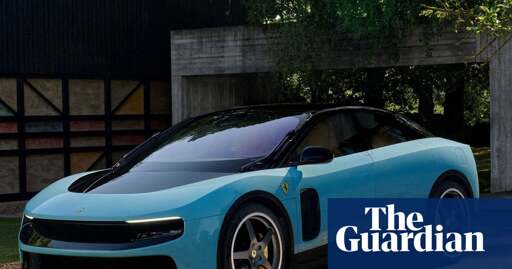
Batteries that take up less space than a massive engine and gearbox?
batteries and inverters definitely take up more volume than an ice drivetrain. the advantage is that they can be put in more places than the mechanical linkages.
I’m pretty sure an ICE takes up more space, there’s a lot more components to it. There’s some very slim EV super cars. And yeah, way more flexibility with an EV system.
i’ve got a phev and lemme tell ya, those batteries are like three times the size (and weight) of the rest of the drivetrain combined, including fuel tank.
the bmw i3 rex is a pretty extreme example because it has a motorcycle engine, but they managed to cram the engine, inverter, gearbox and fuel tank into the space under the floor of the trunk, between the rear wheels, while the battery pack consists basically the bottom decimeter of the entire car. and that 9 liter tank doubles its range.
meanwhile the original chevy volt, a fwd car with an 1.6l i4, opted to keep the transmission tunnel and space where a rear axle would go to stuff them with batteries. really compromises the internal space, sacrifices a middle rear seat, and gives a whopping… 45km of electric range.
My point is simply that electric vs combustion power distribution and volume / mass differences make it, I assume, difficult to maintain the same design language.
Not at all, there’s loads of fully electric super cars that look just how you would expect, sleeker even. This was a deliberate design decision from Ferrari.
I seem to be unclear I guess. But to me there is a difference between, “can’t use the same design language” and “can’t look sleek”.