It’s only Windows and None, they’ve replaced the pre-installed Ubuntu with an installation guide.
From FAQ:
You can choose the operating system that best fits your needs, Windows 11 and Linux are both supported. For Linux, Ubuntu and Fedora are officially supported with installation guides, and the Framework Community offers additional setup guides for many other distributions; other operating systems like OpenBSD may also work but are community-supported.
Not quite, no. Their DIY edition displays the options as you show, but if you select prebuilt then the options include Ubuntu.
I assume with DIY they offer Windows only as a quick way to acquire a license, it may not even be installed. Not sure if anyone can confirm if thet just throw in a Windows USB.
Yeah, they’re not the cheapest but that’s because of their goals.
Designing with reparability and upgradeability in mind means more bespoke parts which cost more versus existing component assemblies in the market. That means more costly tooling and development, with smaller production runs than say a company like HP or Dell (which also costs more).
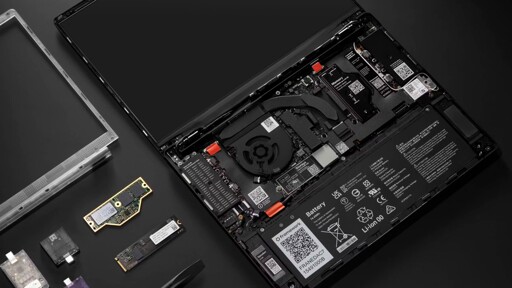
They actually sell the components and parts at reasonable pricing, and more importantly… designed with end user repairs in mind. So instead of everything being soldered to the main oard, different components are on separate subboards that can be replaced or upgraded separately. And include easy repair guides, a screwdriver in the box, and even extra screws pre installed in the chassis when you inevitably lose one.
Where possible, newer hardware they release can still be used on older models. Sometimes working 100%, sometimes with some limited capability depending on older system limitations. For instance, they just updated the 16" model and added an RTX 5070 GPU option, which you can purchase separately and pop into your old Framework 16 without needing to get a whole new system. Likewise, the same with the new mainboard/CPU in your old chassis. Or the new Laptop 13 2.8K Touchscreen which can be installed in every previous Laptop 13 model other than the Chromebook.
Very few laptop manufacturers get close to that kind of repairability and upgradeability, and that does come with a cost.


Maybe because it’s cheaper? You don’t need to pay for Windows license so it’s usually cheaper.
True, but don’t they also sell a no os edition?
Not anymore. Ubuntu replaced the no OS option.
Also curiously the only Windows option is Pro. Before you had Home or Pro.
Because no one anywhere should be using Windows Home for anything. It is bad enough with group policy I shudder to think without.
It’s only Windows and None, they’ve replaced the pre-installed Ubuntu with an installation guide.
From FAQ:
Not quite, no. Their DIY edition displays the options as you show, but if you select prebuilt then the options include Ubuntu.
I assume with DIY they offer Windows only as a quick way to acquire a license, it may not even be installed. Not sure if anyone can confirm if thet just throw in a Windows USB.

as a framework customer and a linux user im not a fan of that move. plenty of us want nothing to do with unbuntu
if you’re someone who cares enough to not like ubuntu you know how to install another distro, this is for whoever who chooses linux because yes
When I was looking for laptops regular laptops came out cheaper. I couldn’t justify the cost of a framework at the time.
Yeah, they’re not the cheapest but that’s because of their goals.
Designing with reparability and upgradeability in mind means more bespoke parts which cost more versus existing component assemblies in the market. That means more costly tooling and development, with smaller production runs than say a company like HP or Dell (which also costs more).
They actually sell the components and parts at reasonable pricing, and more importantly… designed with end user repairs in mind. So instead of everything being soldered to the main oard, different components are on separate subboards that can be replaced or upgraded separately. And include easy repair guides, a screwdriver in the box, and even extra screws pre installed in the chassis when you inevitably lose one.
Where possible, newer hardware they release can still be used on older models. Sometimes working 100%, sometimes with some limited capability depending on older system limitations. For instance, they just updated the 16" model and added an RTX 5070 GPU option, which you can purchase separately and pop into your old Framework 16 without needing to get a whole new system. Likewise, the same with the new mainboard/CPU in your old chassis. Or the new Laptop 13 2.8K Touchscreen which can be installed in every previous Laptop 13 model other than the Chromebook.
Very few laptop manufacturers get close to that kind of repairability and upgradeability, and that does come with a cost.