The holding of the referendum already got them major wins (?) in terms of loosening environmental regs and adding the Pacific Pipeline to the list of Project of National interests. That means the feds will trample indigenous rights for them 🤗 I am sure this pleased and pacified many people who would have wanted to separate for more freedom to hasten the climate apocalypse. I expect that’s enough to swing quite a few people over to the ‘no’ side because it protects that crude, crude oil money.
What else is left? Several of the questions (#1-5) about immigration are directly related to the costs of provincial services (healthcare, education). Alberta has no provincial sales tax, low income tax, and no healthcare premium. I’m guessing they are coming up against costs that are rising faster than the fracking can keep up with so they have decided to blame immigrants?
I am in Ontario and in the $75,000-$200,000 taxable income bracket for OHIP premiums. (lmao I can’t believe that’s the bracket either). I pay $750 a year towards OHIP. That’s a lot cheaper than my private insurance I’ll tell you hwat (majority is employer paid but that’s not protected outside of my collective agreement).
CBC has an article about the actual costs of caring for temporary residents.
Ron Kneebone, a professor emeritus in economics at the University of Calgary, says it’s also important to remember that temporary residents are subject to the same tax rules as Canadian citizens and permanent residents, under Canada’s progressive income tax system.
Whooop there it is.
On the province’s claim that taxpayers cover $10 for every $1 a “guest worker” pays, a government spokesperson said it included “increased capital costs such as [school] spaces for approximately 45,544 children of temporary residents” in its calculation.
I’m tired, boss. Population increase means expanding social programs, more at 11.
There are questions about requiring immigrants to have approved Alberta immigration status (i.e. Alberta gets a bigger say in immigration), or if that’s not possible requiring them to reside in Alberta for 12 months before accessing social programs. I thought more provinces had waiting periods, but it looks like even Ontario got rid of theirs recently? There may be some but I’m not going to look that up lol.
Anyways, if you are a refugee the feds pay for your healthcare, and if you are a temporary resident on a work permit you are paying income tax, so…
One difference between Alberta and some other provinces is that international students can apply for provincial healthcare in Alberta. Ontario has a separate system for that, and the costs to the student are higher than what residents pay. I’m struggling to think of an example case where someone is on anything but the basic visitor visa (6 months) and qualifies for provincial healthcare without it being tied to employment or refugee status. Supervisas (parent and grandparent) need private insurance to qualify. That program is paused now anyways. Sponsored immigration makes the person a PR applicant so they can apply for provincial healthcare, but the questions in the referendum seem only to be targeting temporary residents.
I’m focusing on healthcare because education is tied to your residence, i.e. where you are living, and portion of the funding that comes from individual residents comes from property tax. If you are paying rent, you are contributing. It’s entirely agnostic of your immigration status.
Like the CBC article mentions, other programs are tied to different forms of eligibility. It’s possible Alberta has very generous eligibility, but I’m still guessing that earth destruction royalties not going as far as they used to.
The voter ID one is also interesting.
Do you support the Government of Alberta introducing a law requiring individuals to provide proof of citizenship, such as a passport, birth certificate or citizenship card, to vote in an Alberta provincial election?
You can vote without proving citizenship. When you vote without being registered, you need to register at the poll. After the election, the same checks are made as they would be for someone registered at any other time. If you were not eligible to vote, your vote still counted, but you will face consequences, and it can jeopardize immigration status. I don’t know if any data is published on how many ineligible voters turn up each election but I imagine if it was a problem the rules on what you needed to be able to vote would change. This one seems entirely populist for and an almost immeasurably small gain, and a huge barrier for people born in Canada, especially if this be some the ID requirement for voting, not just for registering to vote.(Do you have a passport? No? Do you know where your birth certificate is? Is it undamaged?)
Questions 6-9 are about greater autonomy for the provinces but they require constitutional amendments and therefore cooperation from the other provinces. Maybe middle ground if people want to stay but want more control? I expect these will be popular.
So yeah, I’m not all that stressed out about the possibility of this leading to a binding referendum. I think the other questions give the province an “out” to appease people when the leave question fails, and as I mentioned they already got the go head to keep putting profit over people while getting the benefits of remaining within the country so…


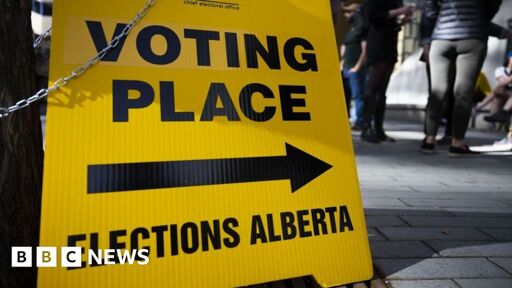
The holding of the referendum already got them major wins (?) in terms of loosening environmental regs and adding the Pacific Pipeline to the list of Project of National interests. That means the feds will trample indigenous rights for them 🤗 I am sure this pleased and pacified many people who would have wanted to separate for more freedom to hasten the climate apocalypse. I expect that’s enough to swing quite a few people over to the ‘no’ side because it protects that crude, crude oil money.
What else is left? Several of the questions (#1-5) about immigration are directly related to the costs of provincial services (healthcare, education). Alberta has no provincial sales tax, low income tax, and no healthcare premium. I’m guessing they are coming up against costs that are rising faster than the fracking can keep up with so they have decided to blame immigrants?
I am in Ontario and in the $75,000-$200,000 taxable income bracket for OHIP premiums. (lmao I can’t believe that’s the bracket either). I pay $750 a year towards OHIP. That’s a lot cheaper than my private insurance I’ll tell you hwat (majority is employer paid but that’s not protected outside of my collective agreement).
CBC has an article about the actual costs of caring for temporary residents.
Whooop there it is.
I’m tired, boss. Population increase means expanding social programs, more at 11.
There are questions about requiring immigrants to have approved Alberta immigration status (i.e. Alberta gets a bigger say in immigration), or if that’s not possible requiring them to reside in Alberta for 12 months before accessing social programs. I thought more provinces had waiting periods, but it looks like even Ontario got rid of theirs recently? There may be some but I’m not going to look that up lol.
Anyways, if you are a refugee the feds pay for your healthcare, and if you are a temporary resident on a work permit you are paying income tax, so…
One difference between Alberta and some other provinces is that international students can apply for provincial healthcare in Alberta. Ontario has a separate system for that, and the costs to the student are higher than what residents pay. I’m struggling to think of an example case where someone is on anything but the basic visitor visa (6 months) and qualifies for provincial healthcare without it being tied to employment or refugee status. Supervisas (parent and grandparent) need private insurance to qualify. That program is paused now anyways. Sponsored immigration makes the person a PR applicant so they can apply for provincial healthcare, but the questions in the referendum seem only to be targeting temporary residents.
I’m focusing on healthcare because education is tied to your residence, i.e. where you are living, and portion of the funding that comes from individual residents comes from property tax. If you are paying rent, you are contributing. It’s entirely agnostic of your immigration status.
Like the CBC article mentions, other programs are tied to different forms of eligibility. It’s possible Alberta has very generous eligibility, but I’m still guessing that earth destruction royalties not going as far as they used to.
The voter ID one is also interesting.
You can vote without proving citizenship. When you vote without being registered, you need to register at the poll. After the election, the same checks are made as they would be for someone registered at any other time. If you were not eligible to vote, your vote still counted, but you will face consequences, and it can jeopardize immigration status. I don’t know if any data is published on how many ineligible voters turn up each election but I imagine if it was a problem the rules on what you needed to be able to vote would change. This one seems entirely populist for and an almost immeasurably small gain, and a huge barrier for people born in Canada, especially if this be some the ID requirement for voting, not just for registering to vote.(Do you have a passport? No? Do you know where your birth certificate is? Is it undamaged?)
Questions 6-9 are about greater autonomy for the provinces but they require constitutional amendments and therefore cooperation from the other provinces. Maybe middle ground if people want to stay but want more control? I expect these will be popular.
So yeah, I’m not all that stressed out about the possibility of this leading to a binding referendum. I think the other questions give the province an “out” to appease people when the leave question fails, and as I mentioned they already got the go head to keep putting profit over people while getting the benefits of remaining within the country so…