- 60 Posts
- 16 Comments


 8·1 month ago
Yeah, you get some silly answers from a small percent of the population, like this one:
Seven percent of all American adults believe that chocolate milk comes from brown cows, according to a nationally representative online survey commissioned by the Innovation Center of U.S. Dairy.

It’s probably some years off; there’s something of a roadmap on how to do it, but crossbreeding it in takes quite a few years, and something like CRISPR usually means a lot of testing of the engineered variety.





The Senate could of course do the right thing and refuse to confirm Kennedy or any of the people in his orbit. Not that I expect the Republicans who will be in the majority to do the right thing.



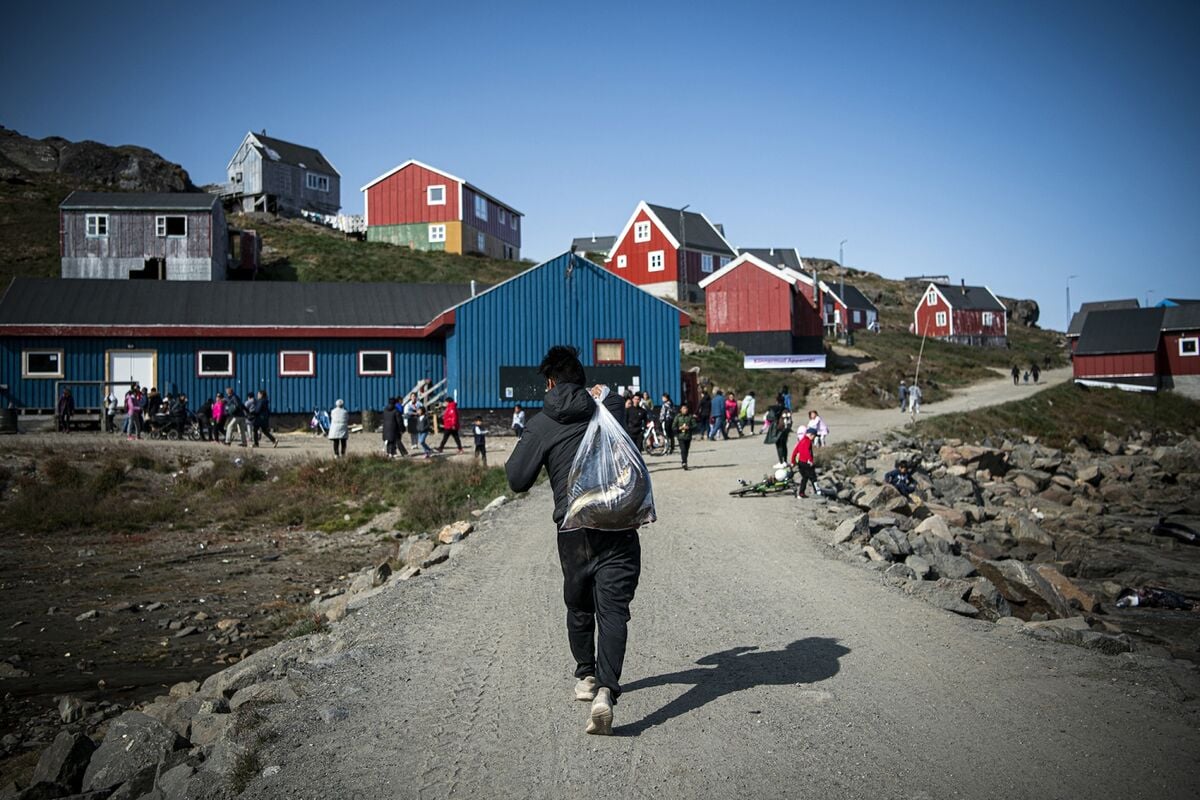
Yeah, inland areas transition to a thermokarst landscape, while places next to the ocean can just disappear entirely.



No type of source control helps when the people who control access are giving it to people who shouldn’t have it. Think of it as the github workspace admin giving out accounts to malicious individuals.
It’s not “I sent it as a pdf” but “I gave edit access to the master copy to somebody who shouldn’t have had it”

They care enough to do things like buy properties in cooler countries so they can move to them after making Saudi Arabia uninhabitable.
It’s a gift link; few people need that.
Depending on tree species, most of the carbon can be above-ground. This is really common in the tropics
The answer likely varies by model. Check.
Yes, but it’s a system that is designed to sync with the frequency of whatever other electricity is out there, and it shuts of if the main shuts off. Almost all rooftop systems without a battery in the US are set up the same way.
Still, it’s important to check that things you think are disconnected do not have current flowing through them. And this makes it more important.
Historically, the answer on this has involved charging very different amounts in different countries. This both enables some level of access by the poor and maximizes profits.
That Saudi. The plan there seems to be to sell off all the oil, and then have the royal family decamp to a more northern latitude with their harems while the rest of the population cooks to death.
Because the US has a history of buying islands form Denmark — that’s where the US Virgin Islands come from.