

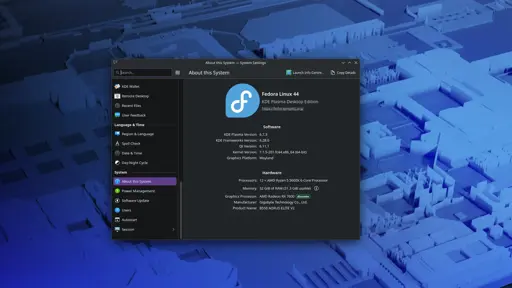
Two years into full-time Linux and I’m finally burning the distro-hopping cycle. I fell for the Arch/AUR trap for a while, but I got tired of spending my weekends debugging file manager crashes instead of maintaining my home lab.
Switched back to Fedora, and it’s boring in exactly the way I need it to be. It’s a stable launchpad for my projects, not the project itself.
deleted by creator
This might not be your issue, but I remember for me there’s this button in the tray that appears after all updates are downloaded. You click it and there’s an option to restart and update. If you just go to the main menu to restart, it doesn’t always show this “restart and update” option, and just restarts without installing the updates. Though even if you make this mistake you shouldn’t need to re-download the updates. Just go to KDE Discover and check for updates again, and the button will appear in the tray again. I think.
Also maybe you’d like the Fedora atomic distros, like Bazzite or Aurora. Unlike installing the updates during reboot, they install them in a “disabled state” while the system is running. Then you reboot and it automatically boots to the new version, no need to wait for any installation. What’s neat is that it’s really hard to break. Even if you pull the power while it’s installing updates, it will just use the previous version and try installing again. No risk of corruption.
What’s the security issue with Debian and Mint? Debian is usually my goto but I don’t want to expose myself to security issues
deleted by creator
You’re mostly right, but I disagree about the bit about paid software and vetted developers. Open source like Linux is also mostly developed by programmers hired by companies, so there’s no difference there. Proprietary software has also had problems with malicious developers and there’s less transparency there.
Desktop Linux so far was meant to be a fun general purpose computing experience for geeks. Throwing extra security layers on it evidently spoils some of that fun, you can see how Linux nerds react to things like Polkit, SELinux, Wayland or Flatpak. But PCs in general suck at security, they’re based on legacy tech from an era when cybersecurity wasn’t even a concept.
deleted by creator
There’s also https://secureblue.dev/
deleted by creator
Why distro-hop when you could jump in on the bug tracker or forge or the matrix channels and get involved with the community to find the root cause of the issue and make the distro you’re on better?
I got fed up with Discover’s whole reboot-to-update thing and just disabled it.
Eventually, I ended up just disabling updates through discover altogether, I’d rather just use my little bash script anyways.
deleted by creator
Yeah, LUKS or multiboot make things much more complicated. I think it’s well intentioned, but I’ve never had any stability issues skipping it, so it seems unnecessary for most folks. Also, snapper-boot is just a better solution to the upgrade stability problem.