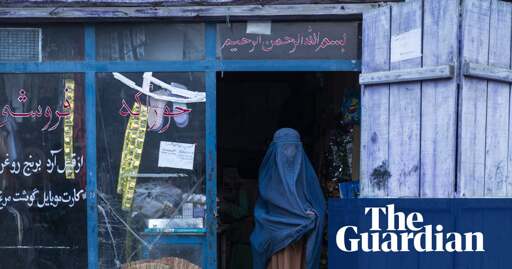
The latest decree from Afghanistan’s rulers makes it impossible for women and girls to leave unwanted or abusive relationships, even with family support
I don’t know if there were enough officers who knew Pashto in the coalition (it wasn’t NATO only) well enough to do that. They handled speaking Pashto via native translators generally. Most of whom were men because women were not educated so the overwhelming majority (~80%) were illiterate. It would be hard to be an effective officer to people who don’t understand you.
I think that would have been quite politically difficult also. The idea was to promote a local administration with its own army and offload responsibilities to them while providing assistance as needed as they developed their capabilities. Obviously that did not work out at all as planned and ultimately failed miserably. But, nevertheless, that’s how it was sold to the public and internationally. Taking charge of Afghan people with our forces directly is going in the opposite direction by making us more involved, and would be seen as damaging the credibility of the government when we’re disregarding them to enact measures that the public of Afghanistan see as contrary to their culture. I think to viably do something like this there would have to be significant changes to the entire approach to the war at the earliest stages to not get trapped in that box, which is also the point where there is the least translation capability unfortunately.


The women soldiers would have been put in all female units commanded by NATO officers.
I don’t know if there were enough officers who knew Pashto in the coalition (it wasn’t NATO only) well enough to do that. They handled speaking Pashto via native translators generally. Most of whom were men because women were not educated so the overwhelming majority (~80%) were illiterate. It would be hard to be an effective officer to people who don’t understand you.
I think that would have been quite politically difficult also. The idea was to promote a local administration with its own army and offload responsibilities to them while providing assistance as needed as they developed their capabilities. Obviously that did not work out at all as planned and ultimately failed miserably. But, nevertheless, that’s how it was sold to the public and internationally. Taking charge of Afghan people with our forces directly is going in the opposite direction by making us more involved, and would be seen as damaging the credibility of the government when we’re disregarding them to enact measures that the public of Afghanistan see as contrary to their culture. I think to viably do something like this there would have to be significant changes to the entire approach to the war at the earliest stages to not get trapped in that box, which is also the point where there is the least translation capability unfortunately.