

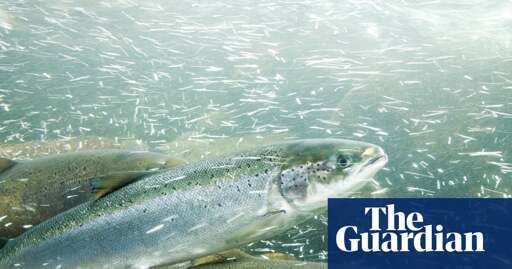
Traces of cocaine that pollute rivers and lakes may accumulate in the brains of salmon and disrupt their behaviour, according to researchers who warn of unknown consequences for fish populations.
Juvenile Atlantic salmon that were artificially exposed to the drug and its main breakdown product swam further and dispersed more widely across a lake, suggesting the substances can affect where the fish go, what they eat and how vulnerable they are to predators.
What impact the pollutants have when they enter watercourses from sewage works is unclear, but the fish may pay a price if they burn more energy, or face greater risks from predators if they have to forage for more food to keep their energy up, scientists say.
“Largely, we don’t know the consequences, but I expect there to be trade-offs,” said Dr Jack Brand at the Swedish University of Agricultural Sciences. “They may end up in worse condition or have to offset it by foraging a lot more, meaning they spend more time out in the open.”
Scientists have said before that pollution from common drugs poses “a major and escalating risk to biodiversity” and have called on pharmaceutical companies to make greener medicines that breakdown in the environment. Concerns over the contaminants have been fuelled by reports of trout “addicted” to methamphetamine and perch losing their fear of predators because of antidepressant medications.
In 2019, tests on freshwater shrimp in rivers in Suffolk found traces of dozens of different drugs, including cocaine, methamphetamine, antidepressants, anxiolytics for anxiety and antipsychotics, but the researchers did not draw any conclusions about their potential to cause harm.
Schoundsfakenbutisttruen