

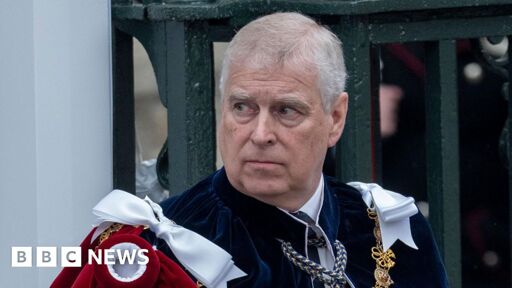
The government is considering introducing legislation to remove Andrew Mountbatten-Windsor from the line of royal succession.
Defence Minister Luke Pollard told the BBC the move - which would prevent Andrew from ever becoming King - was the “right thing to do,” regardless of the outcome of the police investigation.
Currently Andrew, the King’s brother, remains eighth in line to the throne despite being stripped of his titles, including “prince”, last October amid pressure over his ties to paedophile financier Jeffrey Epstein.
On Thursday evening, Andrew was released under investigation 11 hours after his arrest on suspicion of misconduct in public office. He has consistently and strenuously denied any wrongdoing.
That could be a tricky legal question. The current law is that changes in the line of succession must be approved by all 15 Commonwealth realms. But this law was itself a regular statute passed by the Westminster parliament.
The principle of parliamentary supremacy demands that no parliament may bind the will of a future parliament. That is, could Westminster just override the 1931 statute when they pass this special “cut out Andrew” bill? There might not be a whole lot that says they can’t.
The problem is diplomatic ramifications.
Parliament can always do what it wants, but if it’s unilaterally removing rights from another country they’re going to be pissed off.