
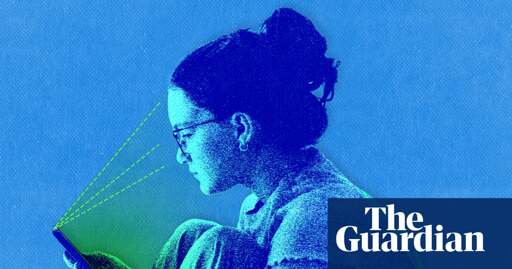
Australia has enacted a world-first ban on social media for users aged under 16, causing millions of children and teenagers to lose access to their accounts.
Facebook, Instagram, Threads, X, YouTube, Snapchat, Reddit, Kick, Twitch and TikTok are expected to have taken steps from Wednesday to remove accounts held by users under 16 years of age in Australia, and prevent those teens from registering new accounts.
Platforms that do not comply risk fines of up to $49.5m.
There have been some teething problems with the ban’s implementation. Guardian Australia has received several reports of those under 16 passing the facial age assurance tests, but the government has flagged it is not expecting the ban will be perfect from day one.
All listed platforms apart from X had confirmed by Tuesday they would comply with the ban. The eSafety commissioner, Julie Inman Grant, said it had recently had a conversation with X about how it would comply, but the company had not communicated its policy to users.
Bluesky, an X alternative, announced on Tuesday it would also ban under-16s, despite eSafety assessing the platform as “low risk” due to its small user base of 50,000 in Australia.
Parents of children affected by the ban shared a spectrum of views on the policy. One parent told the Guardian their 15-year-old daughter was “very distressed” because “all her 14 to 15-year-old friends have been age verified as 18 by Snapchat”. Since she had been identified as under 16, they feared “her friends will keep using Snapchat to talk and organise social events and she will be left out”.
Others said the ban “can’t come quickly enough”. One parent said their daughter was “completely addicted” to social media and the ban “provides us with a support framework to keep her off these platforms”.
“The fact that teenagers occasionally find a way to have a drink doesn’t diminish the value of having a clear, national standard.”
Polling has consistently shown that two-thirds of voters support raising the minimum age for social media to 16. The opposition, including leader Sussan Ley, have recently voiced alarm about the ban, despite waving the legislation through parliament and the former Liberal leader Peter Dutton championing it.
The ban has garnered worldwide attention, with several nations indicating they will adopt a ban of their own, including Malaysia, Denmark and Norway. The European Union passed a resolution to adopt similar restrictions, while a spokesperson for the British government told Reuters it was “closely monitoring Australia’s approach to age restrictions”.
That kind of aligns with some actions I would love to see but I don’t really see how it helps in the example I used to highlight some of the harder things to fix, depression. How does that improve the correlation between social media use and depression in teenagers? I can see it will improve from special cases like removing posts pro eating disorder content but I’m pretty confident the depression correlation goes well beyond easy to moderate content.
Also, if we presumed that some amount of horrific violence is okay for adults to choose to see and a population of people thinks its reasonable to restrict this content for people below a certain age (or swap violence for sex / nudity) then do we just decide we know better than that population, that freedom is more important, or does it fall back to age restrictions again (but gated on parts of the site)? I’m avoiding saying “government” here and going with “population of people” to try to decouple a little from some of the negatives people associate with government, especially since COVID
But yeah, holding tech companies accountable like that would be lovely to see. I suspect the cost is so large they couldn’t pay so it would never happen, but I think that’s because society has been ignoring their negative externalities for so long they’re intrenched